
Home Remedies 4 min read
Traditional Kitchen Pharmacy: Home Remedies for Common Ailments
Simple, safe, and effective home remedies utilizing common herbs and spices like ginger, turmeric, and neem for daily digestive and immune support.
Ashok Pauliah Admin
Published on 7/1/2026
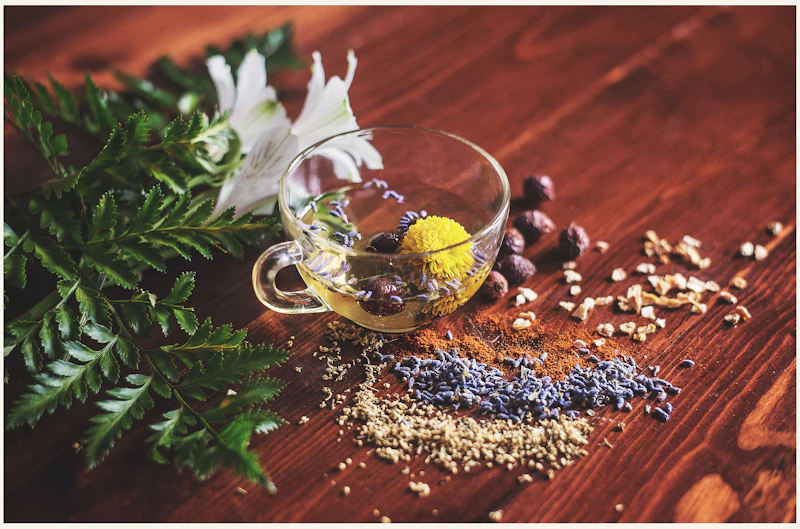
# The Kitchen Pharmacy: Safe and Simple Home Remedies
Long before modern pharmacies existed, our ancestors turned to the kitchen cabinet for relief from everyday ailments. Common spices like ginger, turmeric, black pepper, and fenugreek are not just culinary ingredients—they contain powerful bioactive compounds that support the immune system and relieve minor conditions naturally.
## 1. Turmeric and Black Pepper for Inflammation
Turmeric contains *curcumin*, a potent anti-inflammatory and antioxidant compound. However, curcumin is poorly absorbed by the body on its own. Combining it with black pepper (which contains *piperine*) increases curcumin absorption by up to 2000%.
- **Golden Milk Remedy:** Mix 1/2 teaspoon of organic turmeric powder, a pinch of black pepper, and a dash of honey in warm plant milk. Drink before bed to soothe joint pain and boost immunity.
## 2. Ginger for Digestion and Nausea
Ginger has been used for centuries to treat digestive upset, bloating, and nausea. It activates gastric emptying and stimulates saliva and bile production.
- **Ginger Tea Remedy:** Slice 1 inch of fresh ginger root, simmer in hot water for 10 minutes, and add fresh lemon juice. Sip after meals.
## 3. Holy Basil (Tulsi) for Cough and Cold
Tulsi is an adaptogenic herb that helps the body adapt to stress and supports respiratory health. It has natural antibacterial and antiviral properties.
- **Tulsi Decoction Remedy:** Boil 10–12 Tulsi leaves with a few black peppercorns in water until reduced by half. Strain, mix with honey, and drink to relieve a sore throat.
Cited Sources & Evidence Base (1)
- Spices as Medicine in Traditional Systems — Ministry of AYUSH (Link)
Medical & Educational Disclaimer
This publication is for health educational purposes and does not constitute personal medical diagnosis or individualized prescription. Always consult a certified AYUSH physician before initiating any treatment.
Did you find this AYUSH clinical protocol helpful?
Support verified traditional medicine by reacting and bookmarking for your wellness routine.
Share with family & community:
Clinical Discussion & Community Q&A
No comments posted yet.
Be the first to ask a clinical question or share your recovery journey.
Ashok Pauliah Admin
Certified Traditional Medicine & AYUSH Physician
Dr.Ayya Clinical Network Practitioner